The 1-Euro House Reality Check: What That Symbolic Price Tag Actually Costs in 2026
Italy's 1-euro home schemes have quietly entered a new phase in 2026 — more towns than ever, more nuance in the rules, and a much clearer picture of who these programs actually work for. Here's the honest guide most coverage skips.
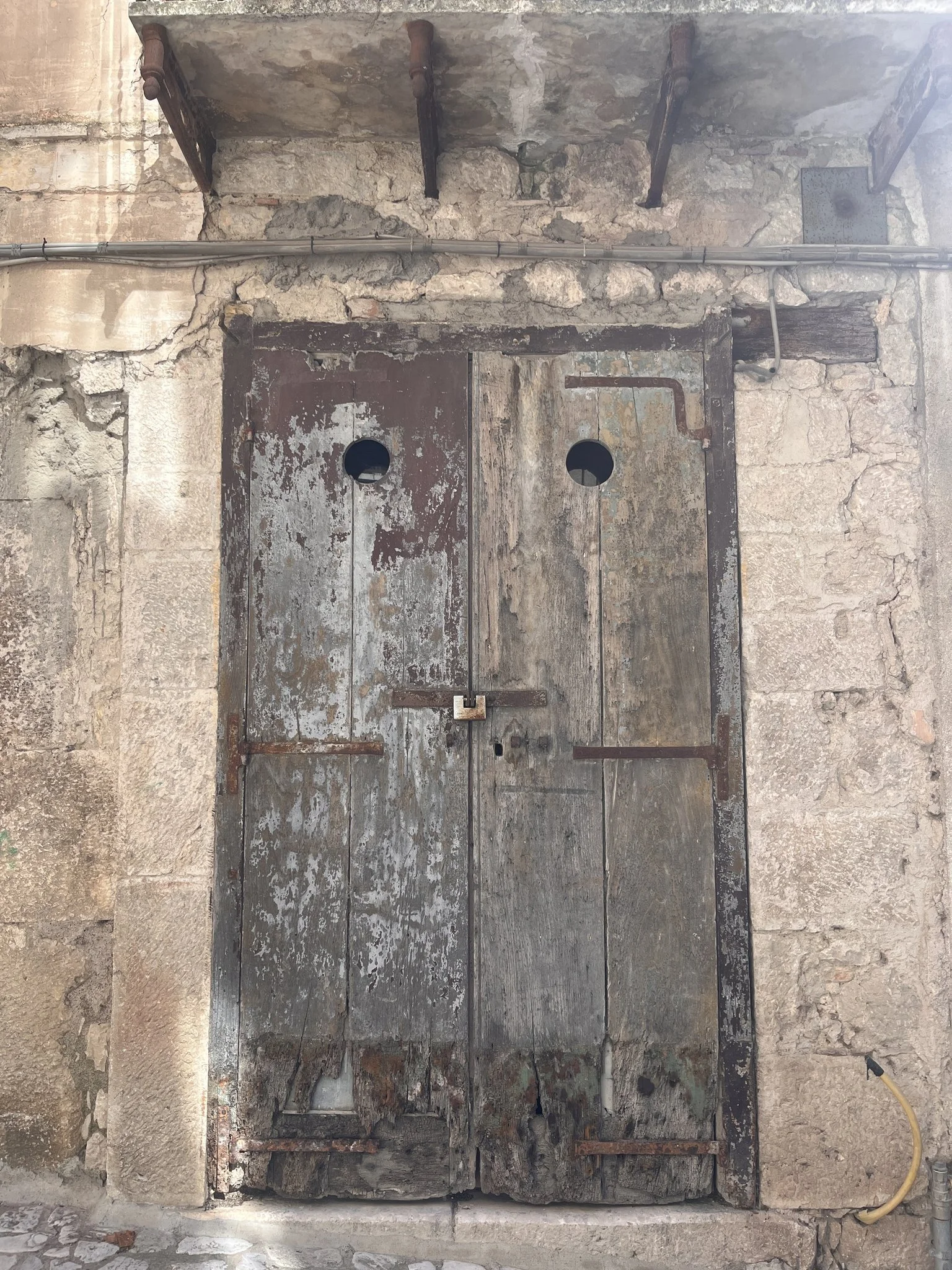
If you've spent any time researching a move to Italy, you've seen the photos. A pale stone facade on a sun-warmed lane in Sicily. A weathered green door. A €1 price tag in the headline. And somewhere underneath, the same handful of breathless quotes about CNN coverage and lines of foreign buyers around the block.
What you probably haven't seen — at least not in one place — is what those programs actually look like in 2026, four years after the first wave of viral attention has cooled, the towns have been through their first renovation deadlines, and the rules have quietly tightened in some places and loosened in others.
There's still real opportunity here. There is also a lot of myth.
This post is the version of the 1-euro-home story I wish someone had handed me three years ago: what the programs actually are, which towns are genuinely active right now, what the all-in costs really look like, what the new requirements demand of buyers, and — most importantly — whether any of this is right for you.
What the 1-Euro Home Programs Actually Are
The headline price is real, but it is a deliberately misleading marketing device — and that's worth understanding upfront, because everything else flows from it.
The programs are not real estate listings. They are depopulation reversal initiatives run by individual Italian municipalities under their own authority. The €1 fee is symbolic. The actual deal is a contract between you and the comune: you commit to restoring a derelict property, on a timeline, to a specified standard, and in return the town transfers ownership for one euro and (usually) absorbs the bureaucratic friction.
What the town gets is a saved building, a new resident or seasonal owner, and one more reason for the local bakery to stay open another year. What you get is a house in Italy at a price that genuinely is closer to free than to "affordable" — provided you actually do the work.
When buyers run into trouble, it is almost always because they misunderstood that core trade. The €1 is not a discount on a house. It is the down payment on a renovation obligation.
How Many Towns Are Actually Active in 2026
The number of municipalities that have ever launched a 1-euro home program is now well over seventy. The number of municipalities with an active, open application window in 2026 is much smaller — somewhere around thirty, depending on how you count quiet relaunches and pilot programs.
Some towns have closed their programs because they have, genuinely, run out of eligible properties — Sambuca di Sicilia is the most famous example. Others paused after the first round of renovations turned out worse than expected and are revising their rules before a second wave. A few new towns are dipping their toes in this year with cautious pilot lists of five or ten properties.
The towns currently worth looking at, roughly by region:
Sicily. Mussomeli (Caltanissetta) remains the most organized program in the country, with dozens of homes sold to foreigners, an English-friendly application process, and an actual expat community to land into. Troina (Enna) and Castropignano (Molise's edge) also continue to take applications. Sambuca di Sicilia is largely sold out but occasionally relists.
Sardinia. Ollolai in Nuoro continues its high-profile program and has paired it with a "Work From Ollolai" rental program for people who want to try the village before committing. Nulvi (Sassari) has run more recent calls with smaller property batches.
Campania. Zungoli, the medieval hill town in Avellino, remains active and is a good fit for buyers who want southern Italy without the island logistics.
Abruzzo. Pratola Peligna has been welcoming a steady flow of Northern European retirees and now has enough renovated homes that the village is visibly recovering.
Calabria. Cinquefrondi and Bivongi both joined the program with explicit tourism-and-newcomer revitalization goals.
Molise and Basilicata. A handful of smaller towns have launched pilot programs this year. Listings turn over quickly and often go through informal regional websites first.

What the Real, All-In Cost Looks Like
This is the part of the conversation that almost never makes it into the magazine pieces, so let's spend some time here.
The €1 is the purchase price. The actual financial commitment most buyers make in 2026 looks roughly like this:
The mandatory security deposit runs between €3,000 and €10,000, depending on the town. Mussomeli, for example, requires a €5,000 bond, refundable only when you complete renovation on schedule. Other towns lock the deposit in escrow for the full renovation period.
Notary, registration, and translation fees for the deed of sale typically come to between €2,000 and €4,000. You will need an Italian-speaking notary, and if you don't speak Italian, you will need an official interpreter present at the signing — a legal requirement, not a courtesy.
Renovation costs are the real number, and they are where the program rewards or punishes you. Most municipalities now require a minimum renovation spend in the contract itself — usually somewhere between €20,000 and €25,000. The realistic full-renovation cost, including a habitable kitchen and bathroom, modern electrical and plumbing, structural repairs, and the preservation requirements the town will hold you to, runs €15,000 to €50,000 for a small village house in good structural condition. Larger properties or houses with serious foundation, roof, or moisture issues can easily climb past €80,000.
Ongoing taxes and utilities are modest in these small towns — the IMU property tax on a non-primary residence in a depopulating comune is often only a few hundred euros a year — but you should budget realistically for utilities, basic furnishing, and the trips back and forth to manage the renovation if you don't yet live in Italy.
A reasonable working budget for a small-to-mid-sized property, fully renovated to a comfortable standard by 2027, is €40,000 to €70,000 all-in. If you go in expecting €1, the program will break your heart. If you go in expecting €50,000, it can deliver a genuinely beautiful southern Italian house for a fraction of what an equivalent house in Tuscany or Umbria would cost.
What the Rules Actually Require You to Do
The fine print is more demanding in 2026 than it was in the first wave of programs, and most of the new specificity is good news for serious buyers — it has filtered out the worst speculators.
Across most active programs, the typical contractual requirements look something like this:
You must submit a restoration plan within twelve months of signing the deed. The plan needs to be specific enough for the municipal engineer to approve and is typically drafted by a local geometra (a building surveyor — every village has at least one) for €1,500 to €3,000.
You must begin renovation work within twelve months of purchase and complete it within two to three years, depending on the town. Mussomeli is on the stricter end (work must start within 12 months); some Sardinian programs allow up to 36 months for completion.
You must preserve the original character of the building. Demolition is not permitted. You cannot, for example, knock down a stone facade to install a glass front. The municipal heritage office signs off on exterior changes; interior renovations are largely up to you, provided structural elements are respected.
You may not flip the property for a defined period after completion — usually five years. Several towns have closed this loophole specifically because early speculators were treating the program as a quick-resale arbitrage rather than as the community investment it was designed to be.
Missing the timeline almost always means forfeiting the deposit, and in some towns, ownership reverts to the municipality. The contract is enforced. This is not a "we'll see how it goes" arrangement.
Who These Programs Genuinely Work For
After a few years of watching how this has played out for buyers from the US, the UK, Northern Europe, and increasingly Japan, a pattern has emerged. The 1-euro programs work well — sometimes beautifully — for a specific kind of buyer, and they go poorly for everyone else.
They work for people who already love a specific town. The buyers who report being happiest are the ones who visited the village three or four times before applying, knew the bakery owner by name, and bought a house on a street they had already walked dozens of times. The program is not a way to find your Italian town. It is a way to commit to one you've already chosen.
They work for people with patience and project management instincts. A village renovation in southern Italy is not an HGTV episode. Permits move at their own pace. The roofer is also the only roofer for three villages. August happens. The buyers who do well are the ones who treat the renovation as a two-year journey, not a checklist.
They work for people with renovation cash on hand or financing already secured. Italian banks generally do not finance 1-euro home purchases or their renovations, because the collateral value is too uncertain. You should plan to fund the entire project with cash, a HELOC against US property, or a renovation loan from your home country. Anyone counting on Italian mortgage financing will struggle.
They work for people who want a base, not a sole residence. Most successful 1-euro buyers spend a few weeks to a few months a year in their renovated home and rent it on Airbnb the rest of the time — or use it as a slow-rotating European base while waiting out a citizenship or residency process elsewhere. The number who pick up and become full-time residents of a 600-person comune in Calabria is small. There is nothing wrong with that village — but the rhythm of life in a depopulating southern town is genuinely different, and most newcomers thrive better with a softer transition.
They do not work for people whose primary criterion is "cheap house in Italy." If your goal is affordable Italian property, you will almost always do better — for total cost, timeline predictability, and resale flexibility — buying a modest, already-habitable home in a non-program village in Abruzzo, Molise, or inland Sicily. Many of these can be had for €30,000 to €60,000 turnkey, no renovation deadline, no deposit lockup, no contractual obligations.
What's New in 2026: Three Changes Worth Knowing About
A few things have shifted this year that anyone considering a 1-euro home should be aware of.
Stricter renovation oversight in established programs. Mussomeli and Sambuca, which were the test cases for the first wave, have both tightened mid-renovation reporting. You now submit progress photos and inspector sign-offs at intervals, not just a single completion certificate. This is good for the program and modestly more work for buyers.
More pre-vetted property listings. Several active programs have moved from "show up and look at a list of empty houses on a clipboard" to centralized online listings with floor plans, structural condition notes, and photos. This is a meaningful quality-of-life improvement and reduces the number of speculative international flights buyers used to make just to triage a list.
EES and ETIAS integration with planning trips. Every recon trip you take to look at 1-euro properties will now be biometrically logged against your 90/180-day Schengen allowance. If you are planning multiple scouting visits over the next year, build them into your tourist day-budget deliberately rather than assuming you can keep returning indefinitely.
The Honest Bottom Line
The 1-euro home programs are real, they are still active, and they have produced genuinely beautiful restored homes for buyers who went in with clear eyes. But they are also nearly the opposite of what the headlines suggest.
They are not a discount. They are a trade. The town gives you ownership of a building it has given up on; you give the town a renovated house, a new resident or visitor, and a commitment that you will be part of its future for at least a few years.
If that trade interests you — if the project itself, not the price tag, is what you actually want — these programs can be one of the most personally meaningful ways to put down roots in Italy. If you are mostly drawn to the dollar sign, you will almost certainly be better served by a modest turnkey home in the same region without the renovation contract attached.
The villages aren't going anywhere. The window for participating in them while they're still doing the interesting cultural work of community revival might be narrower. Mussomeli ten years from now will be a different place — more renovated, more international, less in need of saving. That is exactly the program working as designed.
If you'd like help thinking through whether your specific situation, budget, and timeline fit one of the active programs — or whether a non-program village purchase makes more sense for your goals — that's the kind of one-on-one work the Italy Move community is here for.

Have questions about a specific town or program? Reply to this post or send me a note — I read everything, and reader questions shape what I write about next.